Vedic View on Caste
Exploring the Vedic Perspective on the Caste System
Let’s embark on a journey to understand the Vedic perspective on the caste system. This age-old social structure has been misunderstood, misinterpreted, and misconstrued, often leading to unjust social hierarchies and discrimination. However, the original intention behind the Vedic caste system was quite different from what it has evolved into today. To guide us through this enlightening journey, we have the wisdom of Pandit Brahmdev Vedalankar Ji, a humble Arya Samaj Pandit in Noida, Ghaziabad, and Greater Noida West.
Origins of the Caste System: A Vedic Perspective
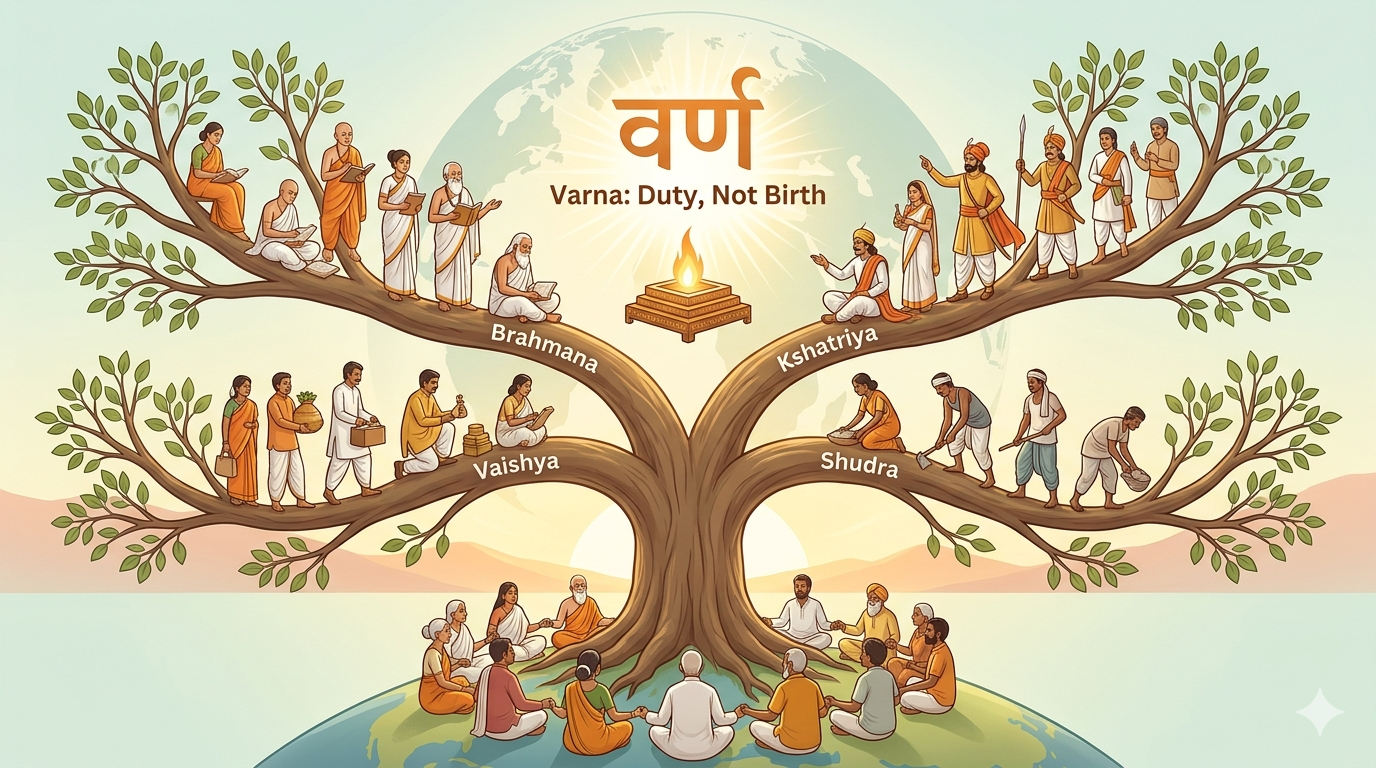
From a Vedic perspective, the caste system, known as ‘Varna’, was not about discrimination or hierarchy. It was a functional division of society based on individuals’ skills, abilities, and propensities. The Rigveda, the oldest of the four Vedas, offers a clear explanation of this concept in the Purusha Sukta.
Understanding the Four Varnas
The Vedic society was divided into four Varnas – Brahmins, Kshatriyas, Vaishyas, and Shudras. These divisions were not based on birth but on the qualities and work of an individual. The Brahmins were scholars and educators, the Kshatriyas were warriors and rulers, the Vaishyas were traders and agriculturists, and the Shudras were service providers. Each Varna was equally important, and no Varna was superior or inferior to another.
Pandit Brahmdev Vedalankar Ji on Vedic Caste System
Renowned Arya Samaj Pandit, Pandit Brahmdev Vedalankar Ji, strongly advocates the original Vedic view on the caste system. According to him, the Vedic caste system was flexible and allowed individuals to move from one Varna to another based on their qualities and work. The current rigid caste system, where caste is determined by birth, is a distortion of the original Vedic concept.
The Vedic View: Equality and Harmony
The Vedic view promotes social harmony, where each person contributes to society according to their abilities and skills. It upholds the idea of equality, where no individual or group is inherently superior or inferior. The caste-by-birth system, which leads to discrimination and social hierarchies, is a clear deviation from the Vedic ideal.
Revisiting the Vedic Perspective
Today, it is crucial to revisit the Vedic perspective on caste and understand its true essence. It encourages us to appreciate diversity and promotes harmony and cooperation among various social groups. The teachings of Pandit Brahmdev Vedalankar Ji inspire us to embrace the Vedic view and work towards a society free from caste-based discrimination.
We hope this exploration of the Vedic view on caste has provided you with a fresh perspective on this ancient social structure. If you wish to delve deeper into the Vedas’ wisdom, consider connecting with Pandit Brahmdev Vedalankar Ji for insightful discussions and spiritual guidance. His teachings can help you understand the Vedas’ profound wisdom and apply it in your daily life.
If you are interested in exploring more about Vedic wisdom, please contact for more enlightening words. Whether you wish to understand the Vedic perspective on life, death, karma, or spirituality, our blog has something to offer everyone.
For more information about Pandit Brahmdev Vedalankar Ji and his services, you can visit his About Us page. You can also reach out to him for personal consultations, spiritual guidance, and Vedic rituals.

Pandit Brahm Dev Vedalankar Ji is a revered Arya Samaj scholar known for his deep Vedic knowledge and dedication to promoting the teachings of Maharishi Dayanand Saraswati. His profound wisdom, inspiring discourses, and commitment to truth and equality have made him a guiding light for many, fostering spiritual growth and social harmony.